Visionary Health Services
Visionary Health Services was the service that we designed during Challenge-Based Innovation (CBI) program. CBI is a program that originated and is grounded at CERN with the explicit goal to link CERN’s open science, technology and expertise to addressing societal challenges. In 2022 , CBI focused on SDG3: Good Health and Well-being, more specifically, on improving access to screening, diagnosis and treatment in deprived communities.
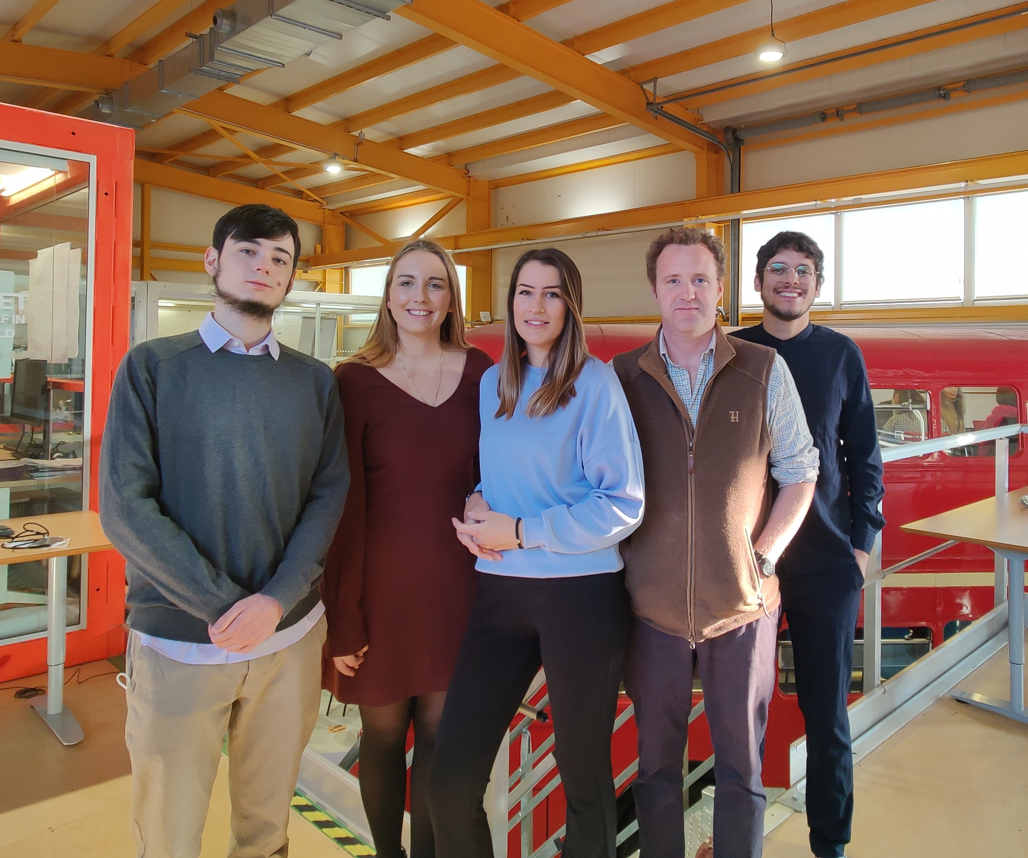
Skłodowska Gang
BA in Electronic Engineering Student @ UPC

MBA Student @ ESADE

BA in Engineering of UX Student @ Aalen University

MBA Student @ ESADE
MA in Design Management Student @ IED
Freelance

As a Design Management MA Student
Main Goal
Methodology & Format
Scenario
Problem & Target Audience
Goal
Methodology
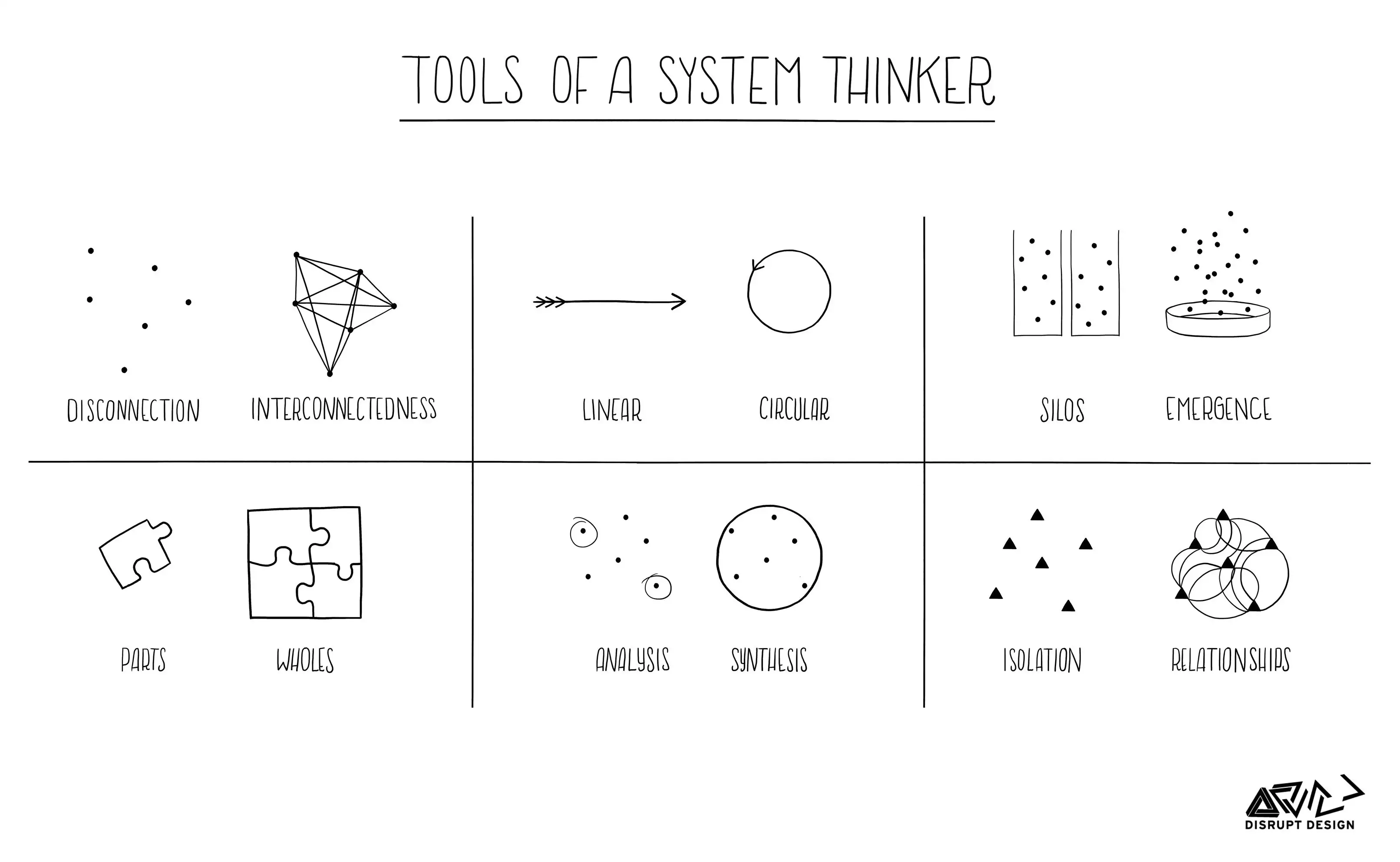
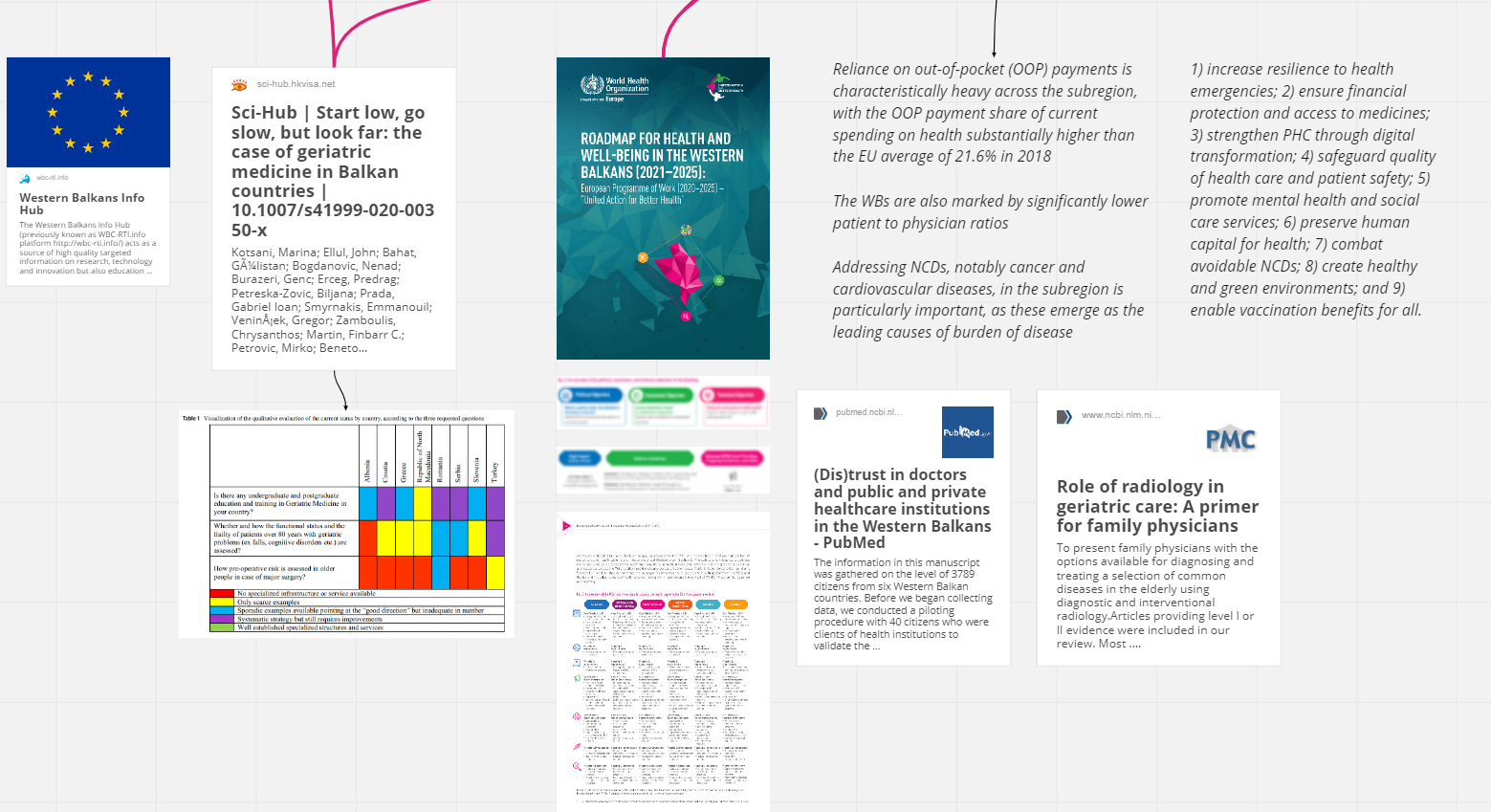
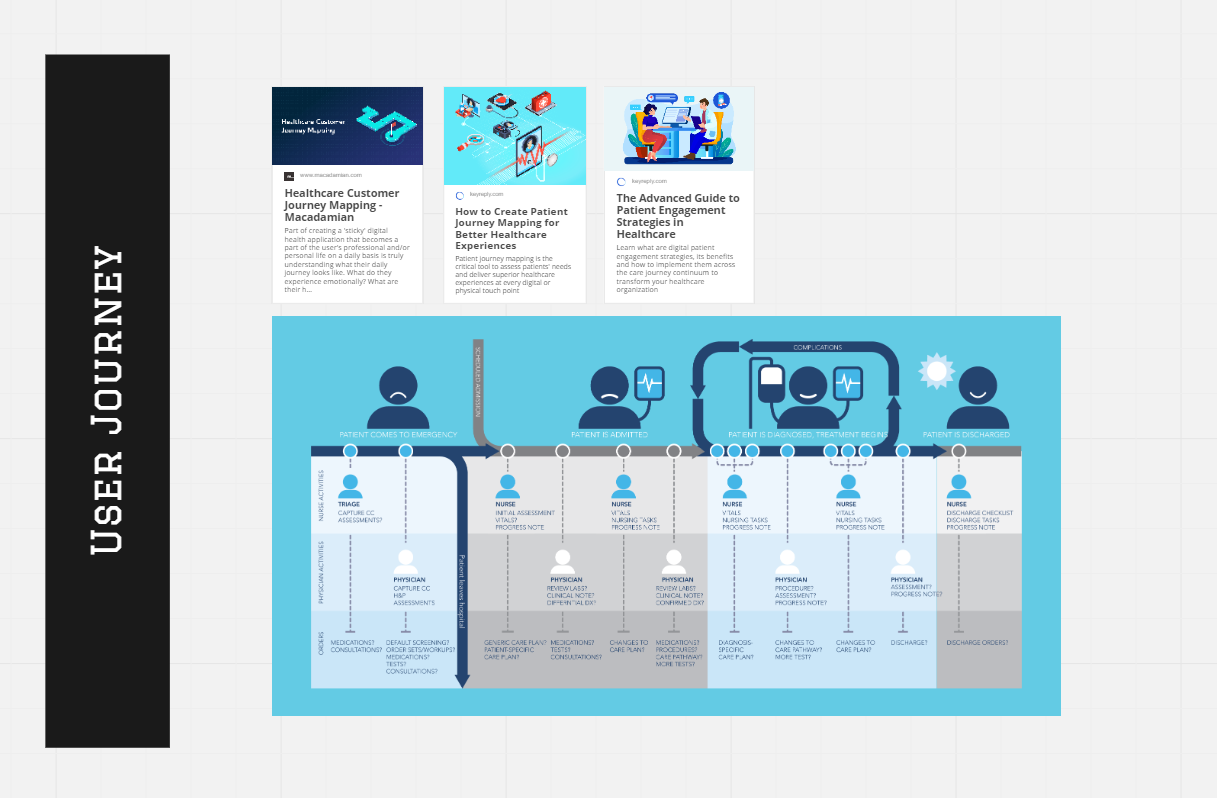
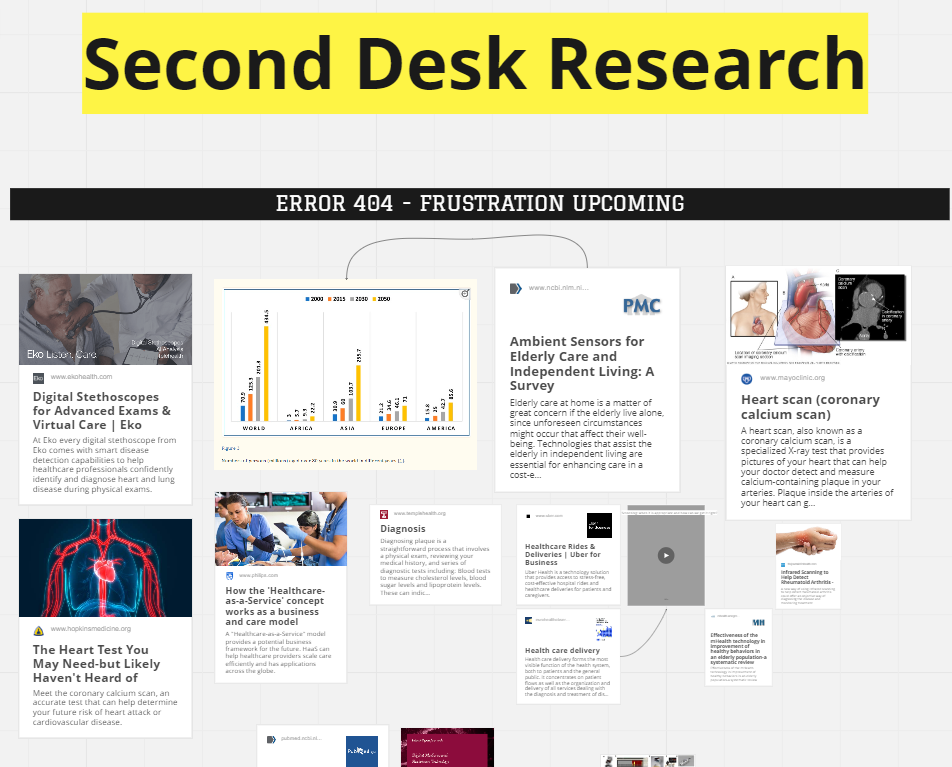
For the research, we had three steps preparatory, secondary and primary research.
Preparatory
Secondary
Primary
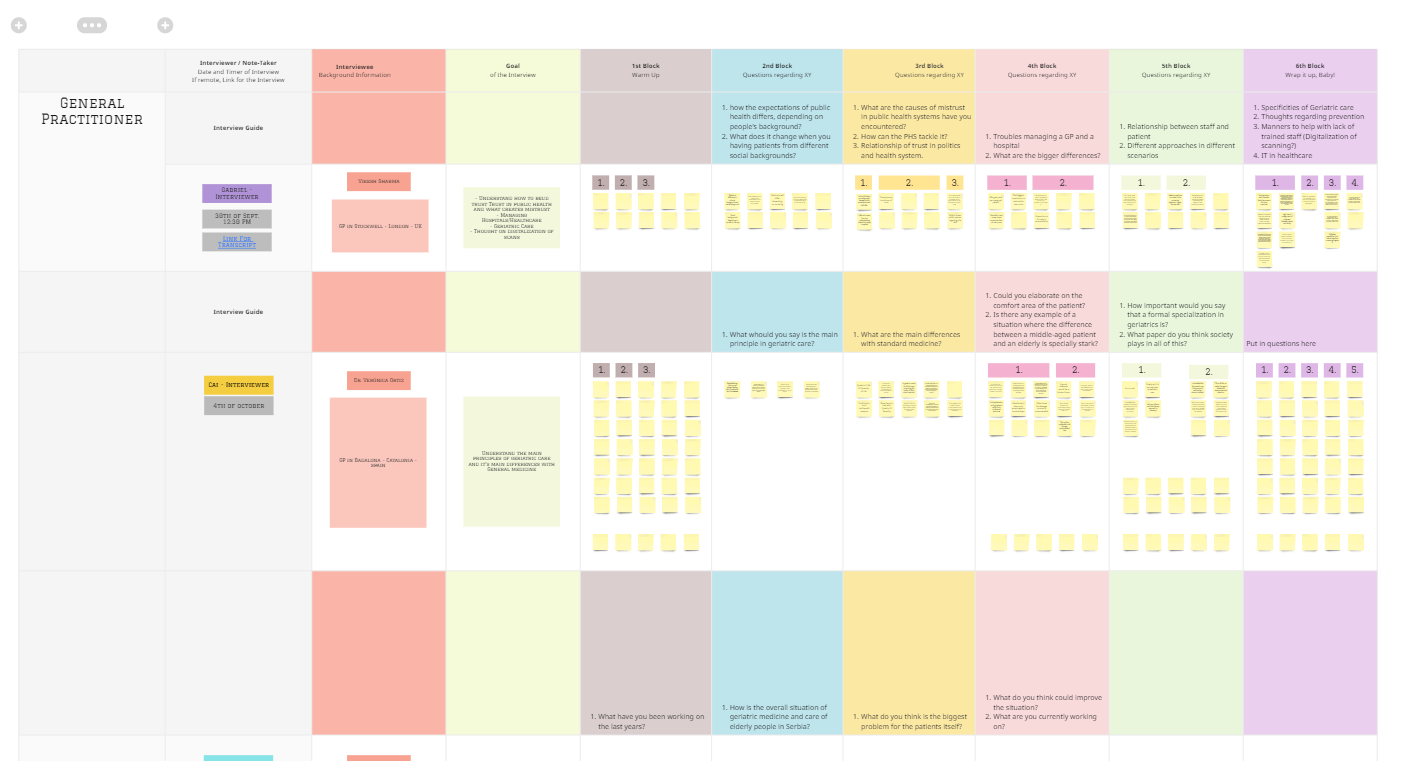
We ended up interviewing (Over 20 people) General Practitioners, Cardiologists (because we learned during different cycles of research that atherosclerosis are the biggest cause of years lived with disability and the biggest cause of working days lost in Serbia), university professors (In geriatrics, medical studies and cardiology), experts in digital health, caregivers and pharmacists (Also, during research, we learned that it's easier to build trust with people than institutions and that pharmacies were the most visited health institution in the balkans due to trust and proximity to people's homes). On the patient side we interviewed elderlies and elderlies' family members.
Findings
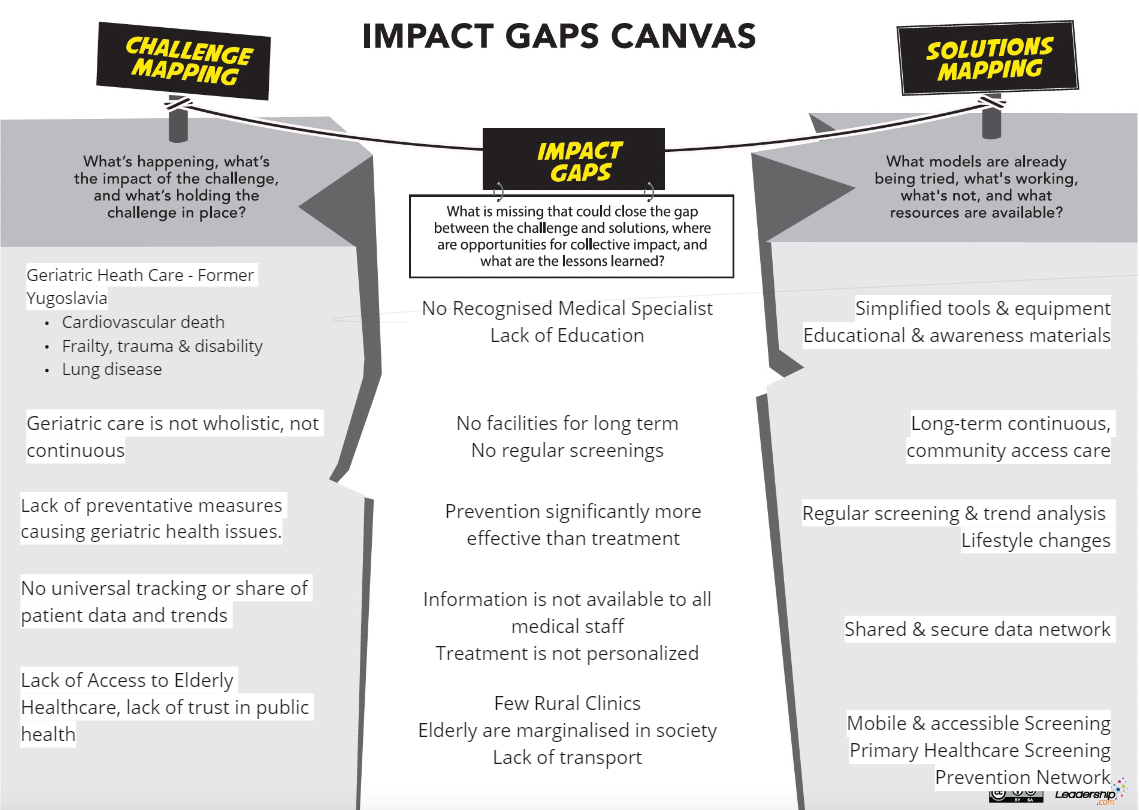
Loneliness is a pervasive challenge faced by many elderly individuals, and treatments must be geared towards long-term, lifestyle-based outcomes that prioritize the comfort and well-being of the patient.
The usefulness of disease screening, such as for atherosclerosis, is widely recognized, yet underutilized due to the high cost of scans and limited accessibility in rural areas. All patients must have access to affordable and convenient options for maintaining their health and independence, regardless of where they live.
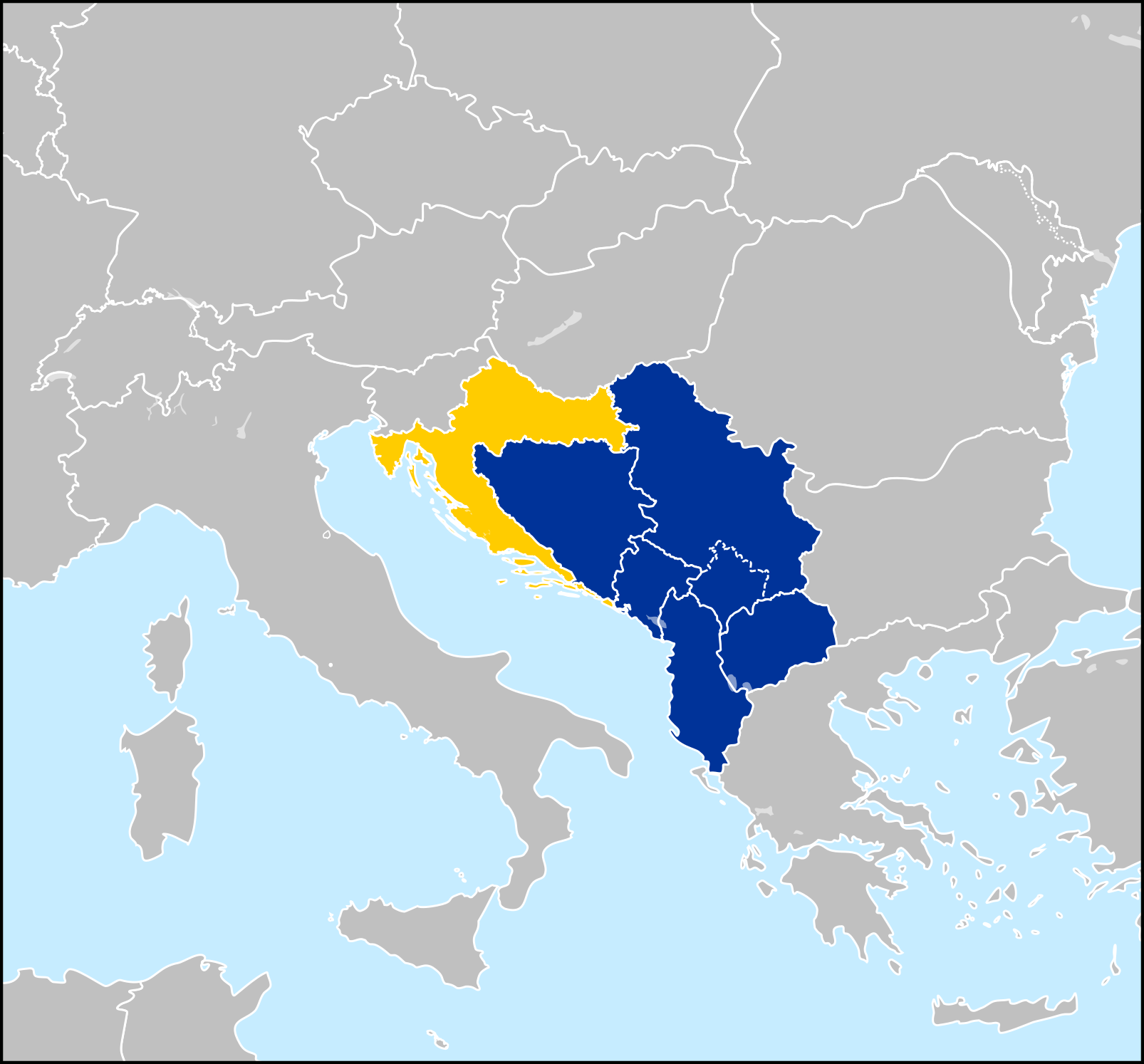
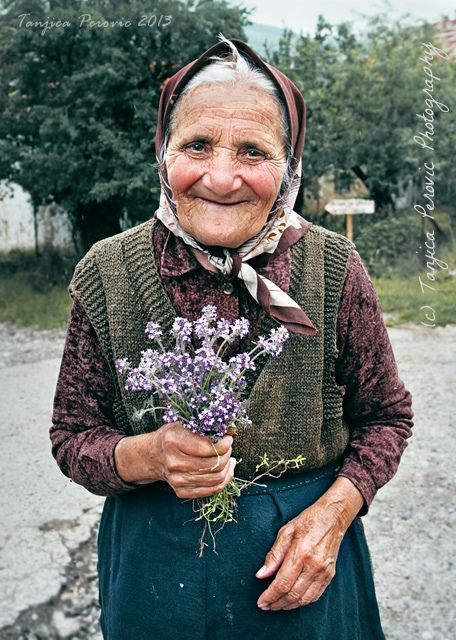
There is also a lack of trust in public institutions in the West Balkans, particularly when it comes to healthcare. Over 44% of the population is rural and most do not travel far from their homes to access healthcare services. This, combined with a global issue that is continuous healthcare, increases the chances of prevention, where is cheaper and has a higher rate of success.
Opportunities
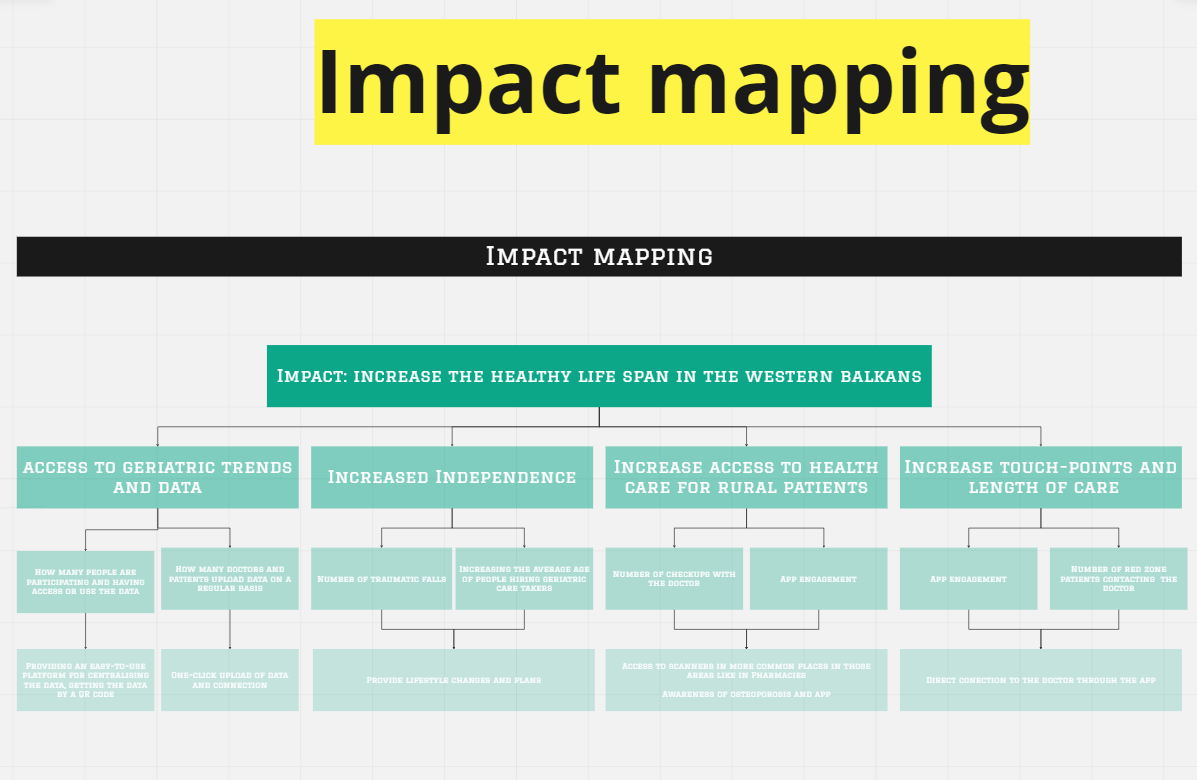
There's a space to alleviate the lack of formal training in geriatrics and empower individuals to take control of their health while minimize the discomfort and stress that elderly patients often experience when travelling for diagnoses by finding ways to bring care closer to them.
Early screening is critical to good health and wellbeing, cheaper for public institutions and there is an opportunity to dramatically increase both the quantity and effectiveness of them.
The findings suggest that building trust with individuals is easier than with institutions and that pharmacies are the most frequently visited health institutions in the Balkans due to the trust people have in them and their proximity. This highlights the importance of considering community-based solutions and partnerships with local businesses when seeking to improve healthcare access in rural areas, leveraging the trust that people have in their local pharmacies, it may be possible to create more effective and sustainable healthcare solutions that meet the community's needs.
Goal
Workshops
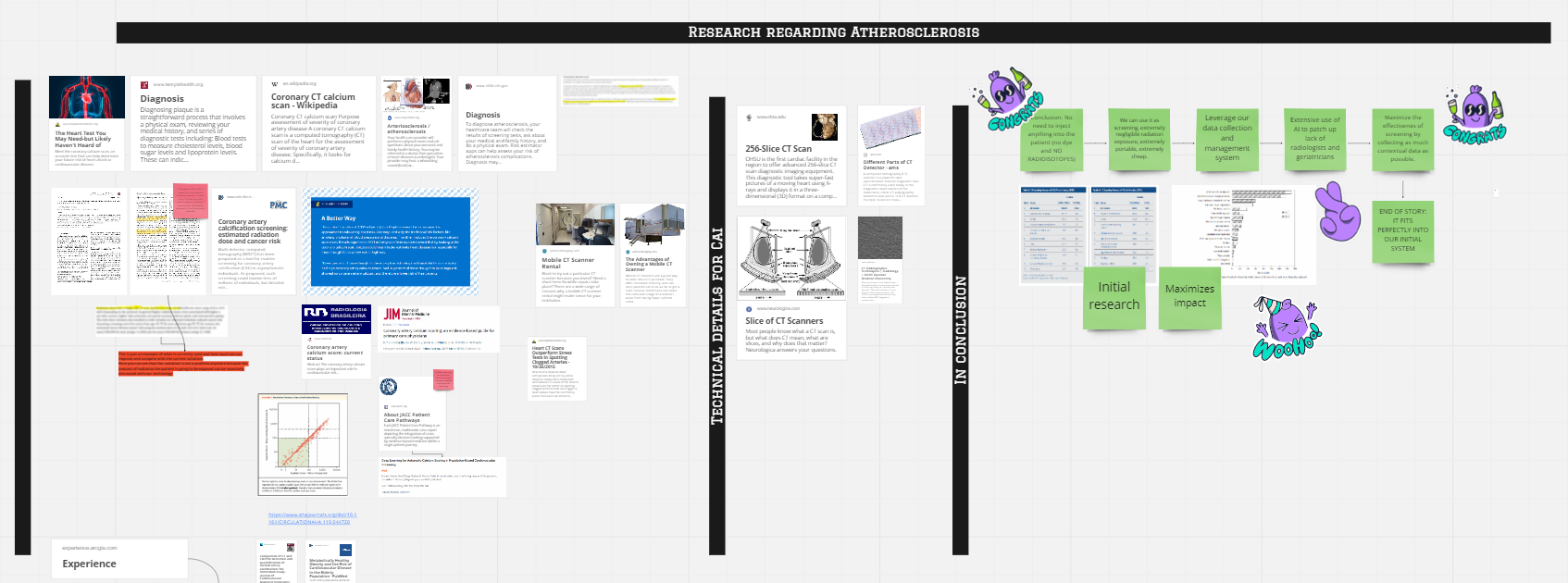
The final idea was consolidated after a self-organized workshop where design tools such as the value proposition canvas, service blueprint, and service design business model canvas were used to ensure that the vision was aligned and the idea was feasible, viable, and desirable. These workshops and design tools helped to bring together various perspectives and validate the idea to create a comprehensive solution.
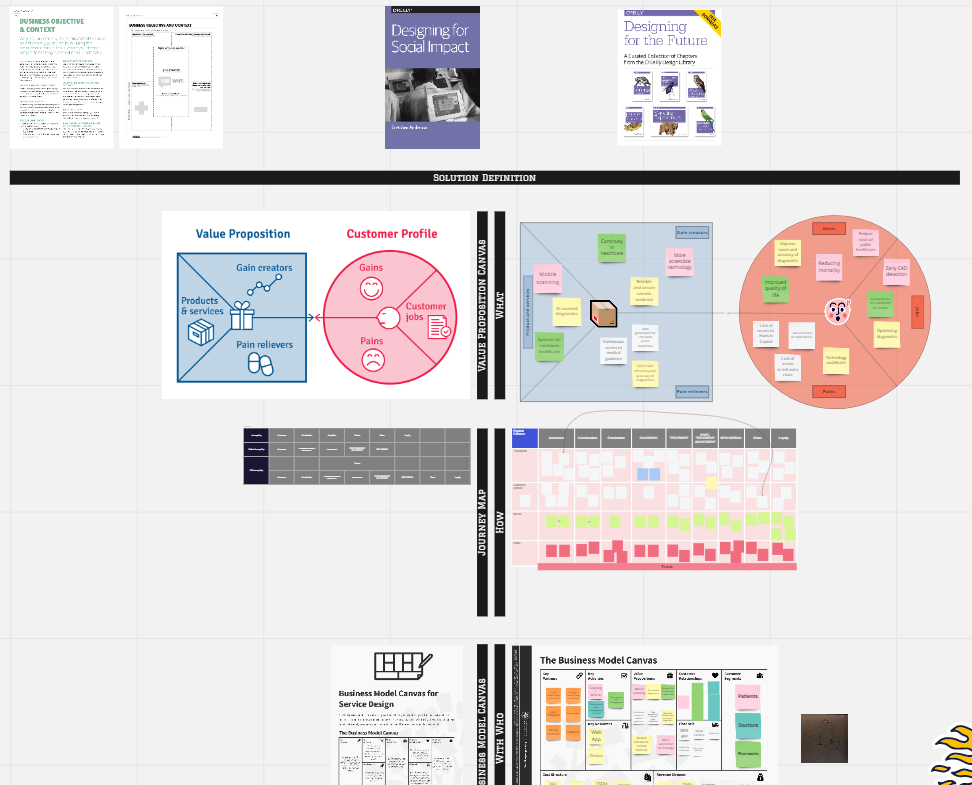
Validation of Ideas

We realized that there were many more systemic roots to our problem than we had previously realised, but that the service we had started to design would help to address a lot of them. With this in mind we decided to try to break out of our tunnel vision by adopting a losing attachment to the technologies and looking back to some of the systemic issues we had discovered in our research. This very naturally lead to our new focus - Cardiovascular Disease.
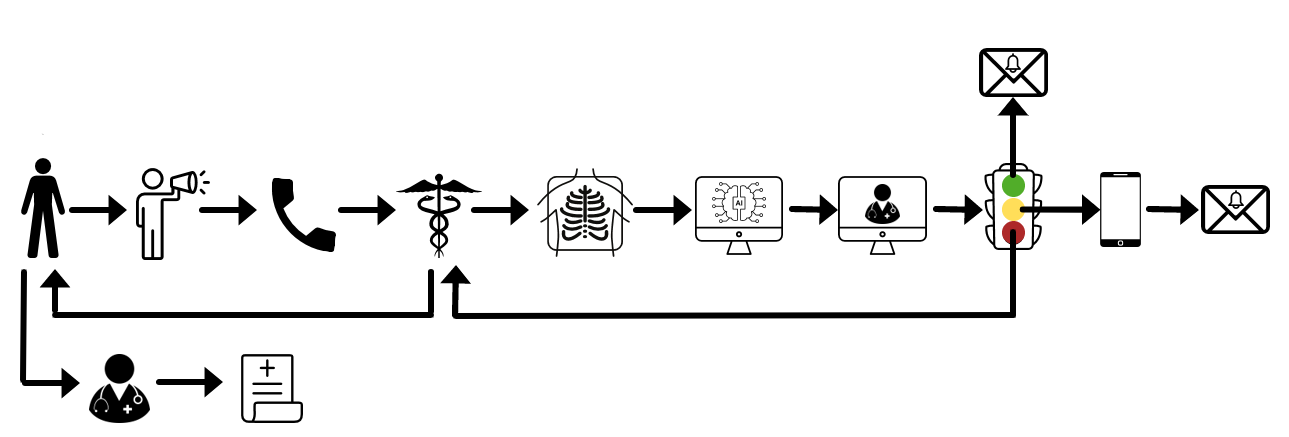
First draft of Visionary Health Services
All of this in the nuanced backdrop of the Western Balkans.Some of the principal mechanisms that we employed to address the specific issues affecting our pilot programme in Serbia:
Awareness
Accessibility
Trust
Continuity
Accuracy
Outline of the solution
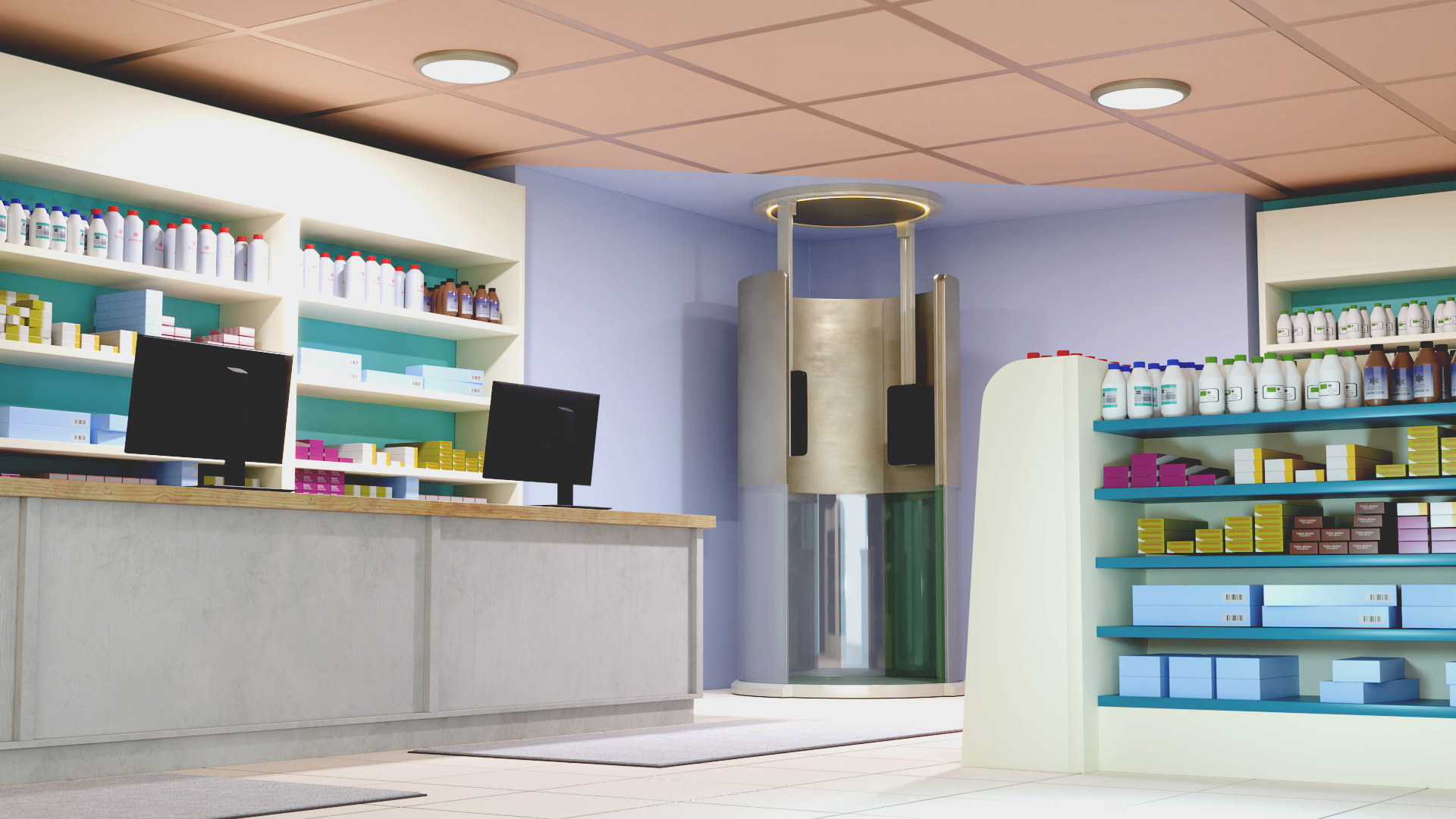
The service
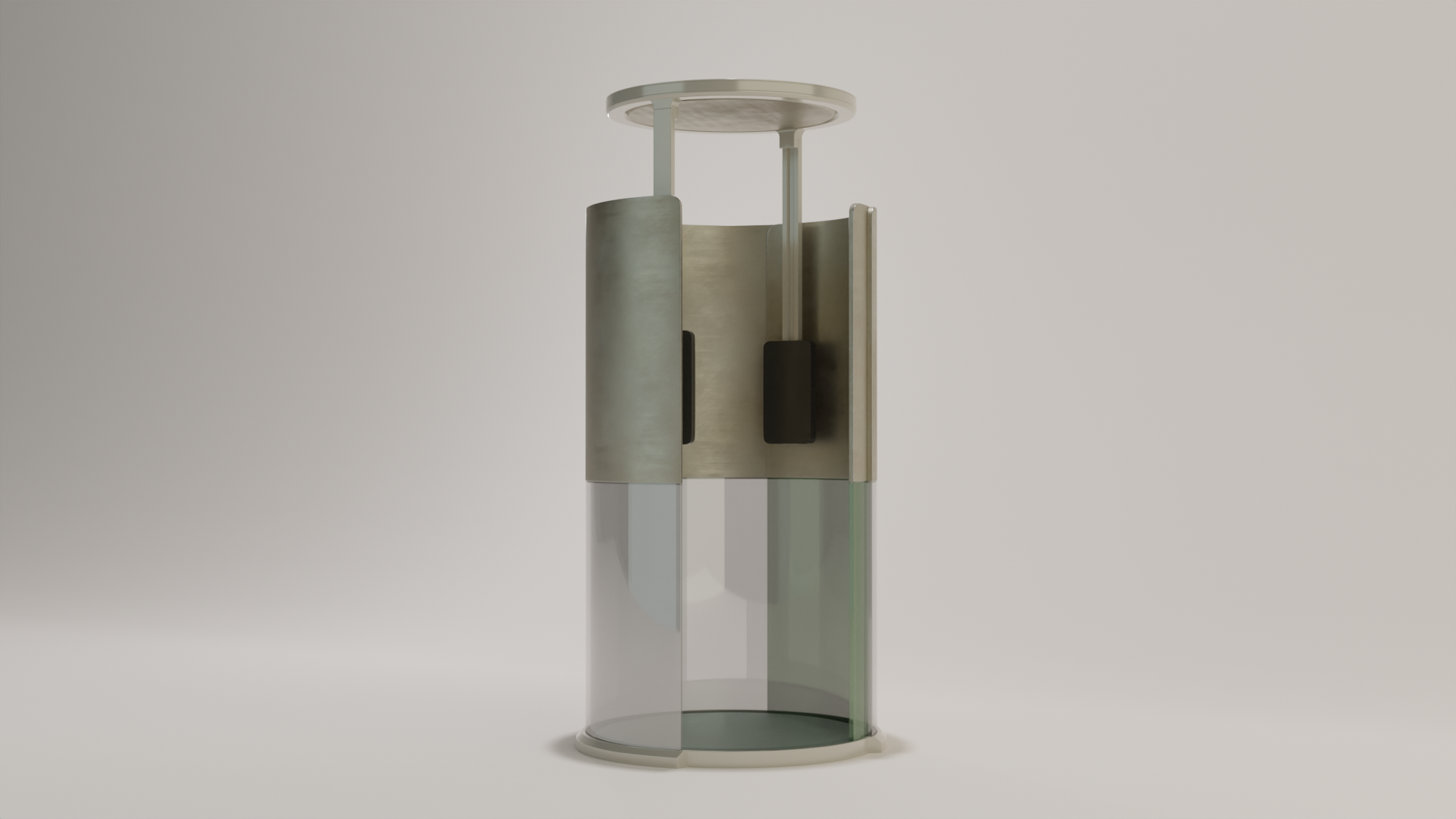
The new scan
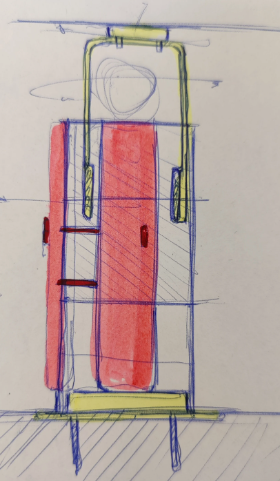
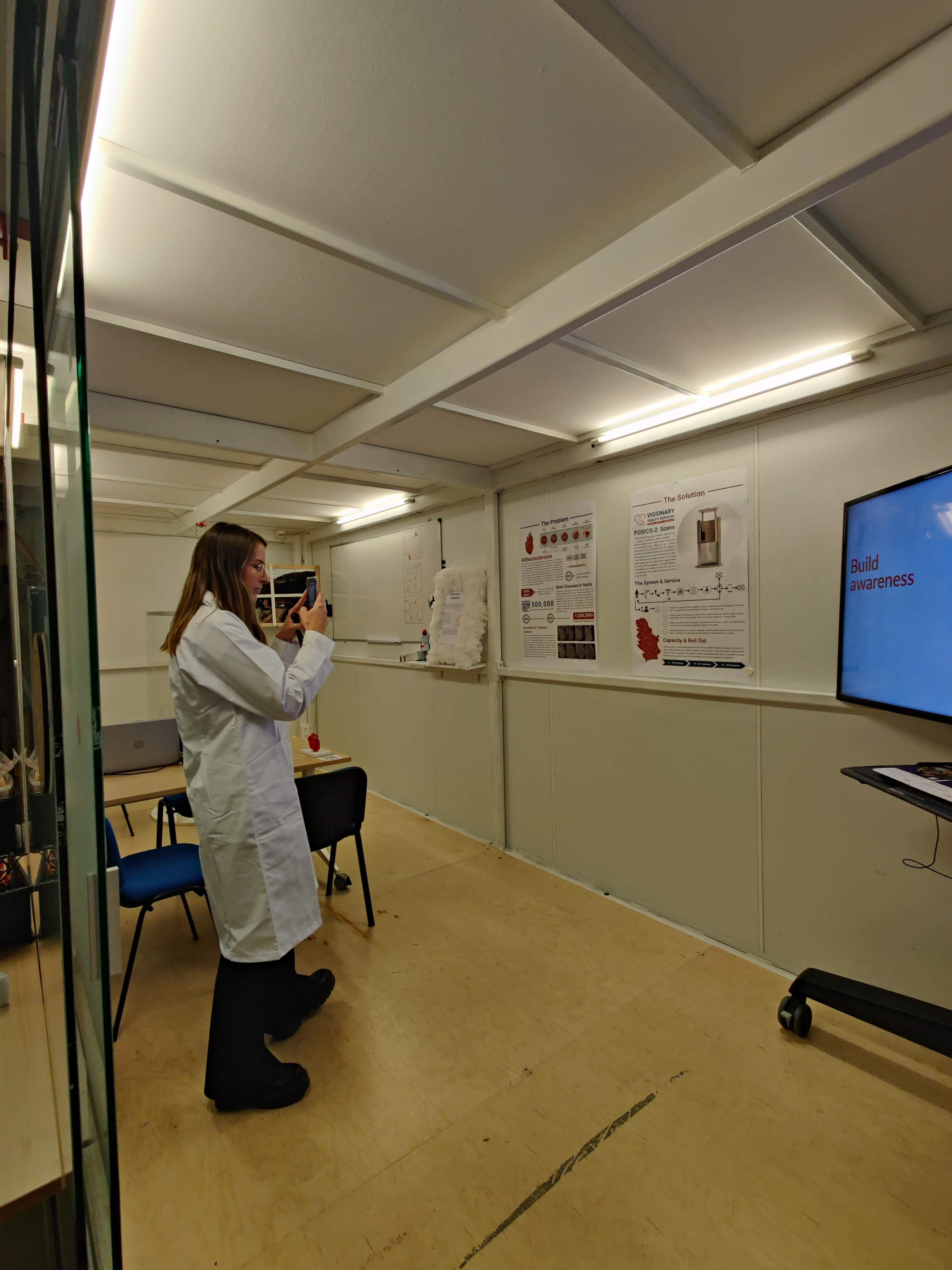
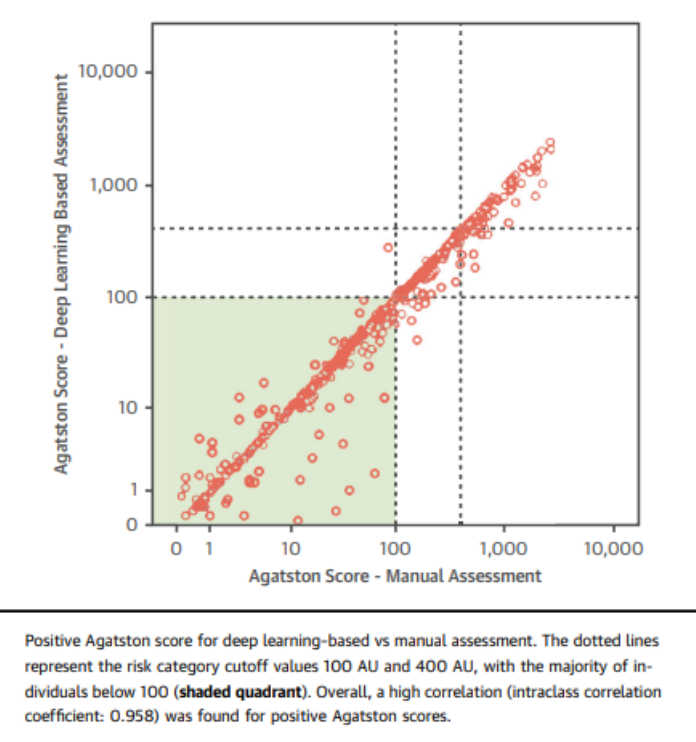
The scanner produces an accurate image of the heart in 30 seconds using a rotating design that focuses solely on the cardiac region. This design, combined with POSICS-2 technology, enables accurate scans at a lower cost with shallow radiation doses, making large-scale heart screenings a possibility.
At Cern
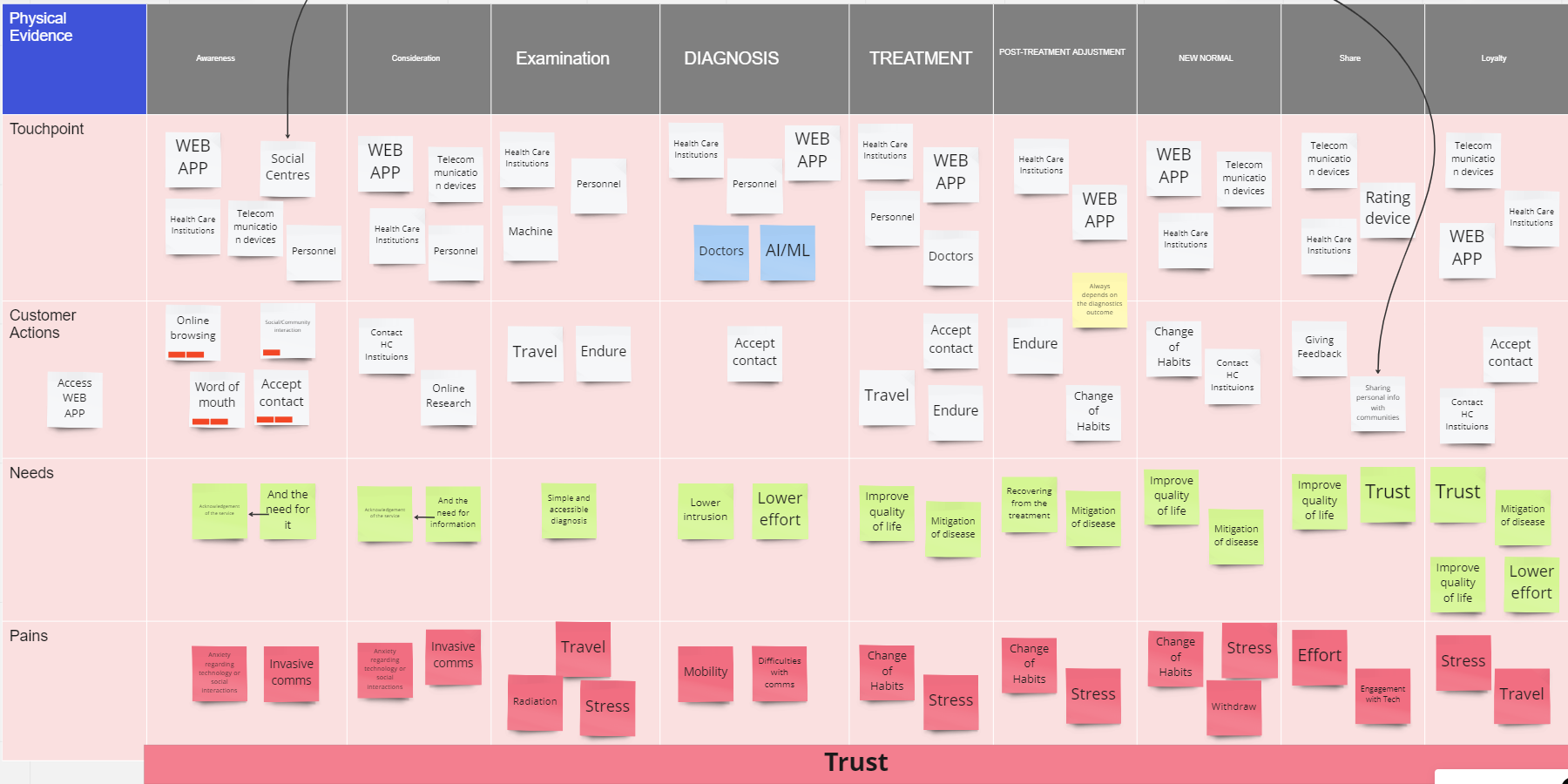
Awareness
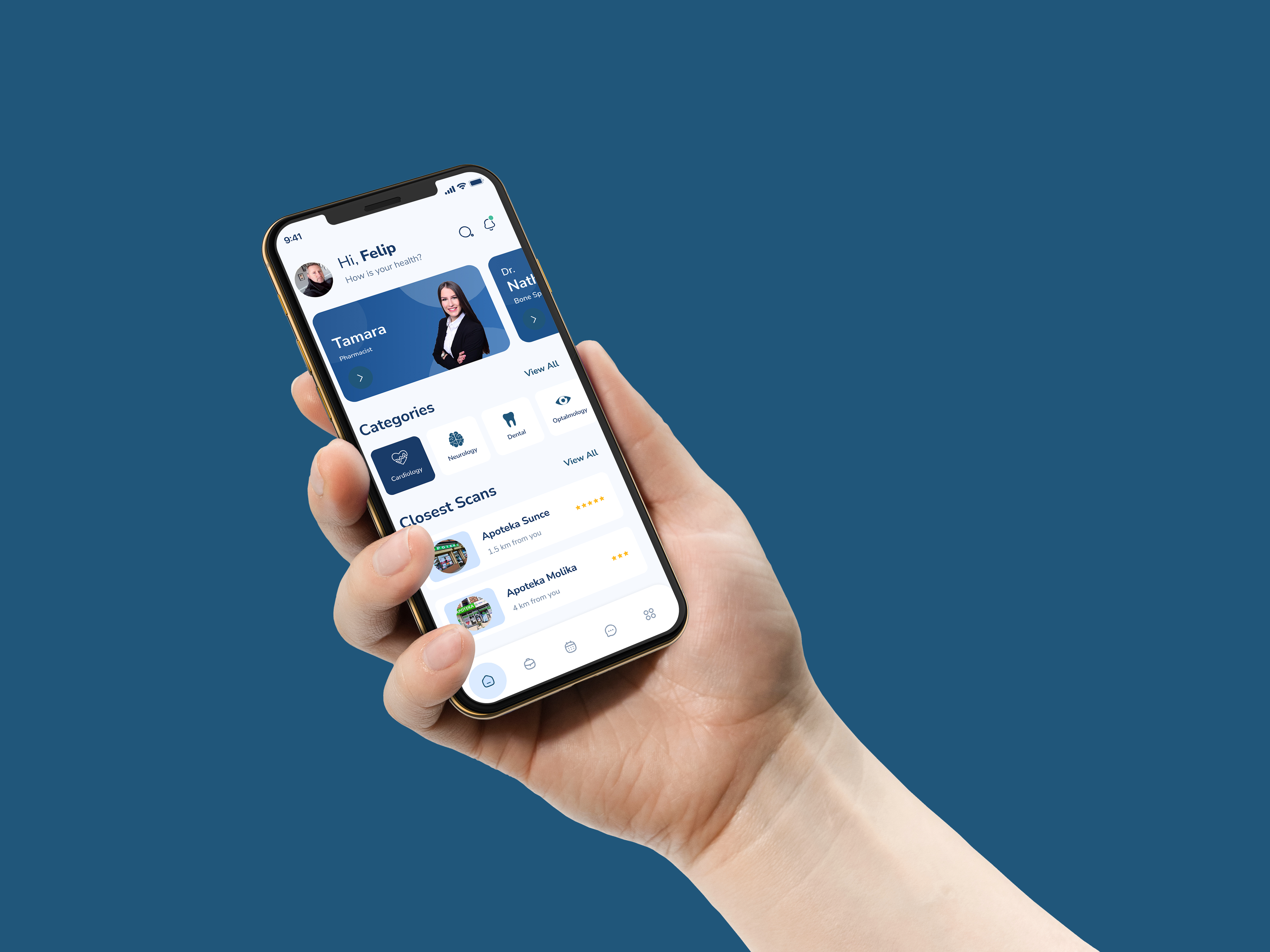
Consideration
Examination
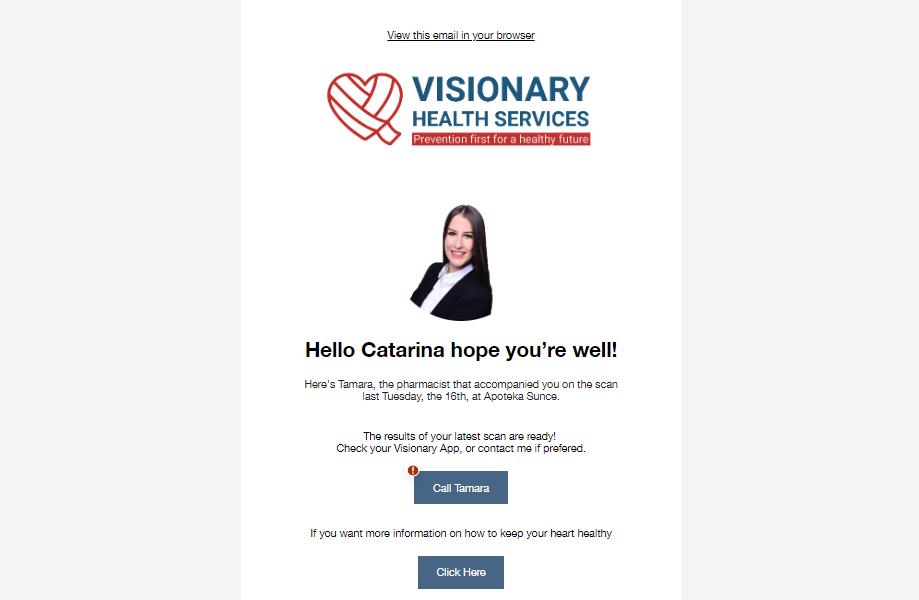
Diagnosis
Treatment
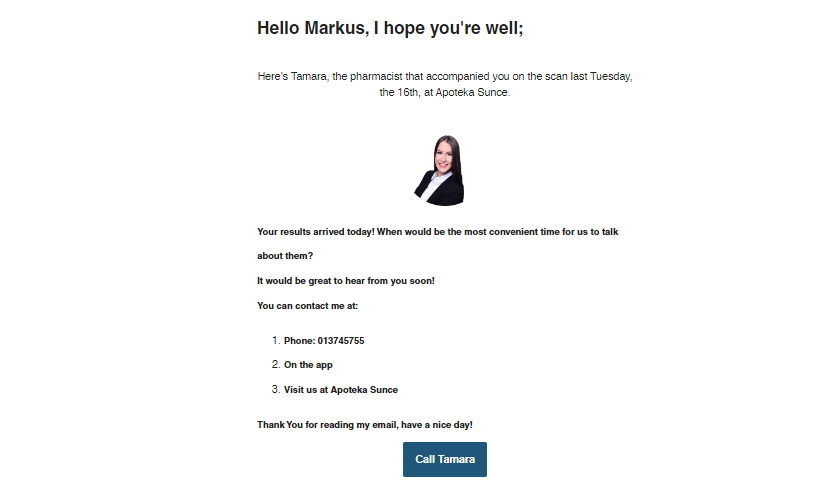
Post treatment adjustment & new normal
Share
Loyalty
Calculation
Foundation
Future thinking
Capacity & Rollout

238,000+ Lives saved per VHS scanner
25% Mortality Decrease
34,000+ Lives saved per year in Serbia
Costs Savings
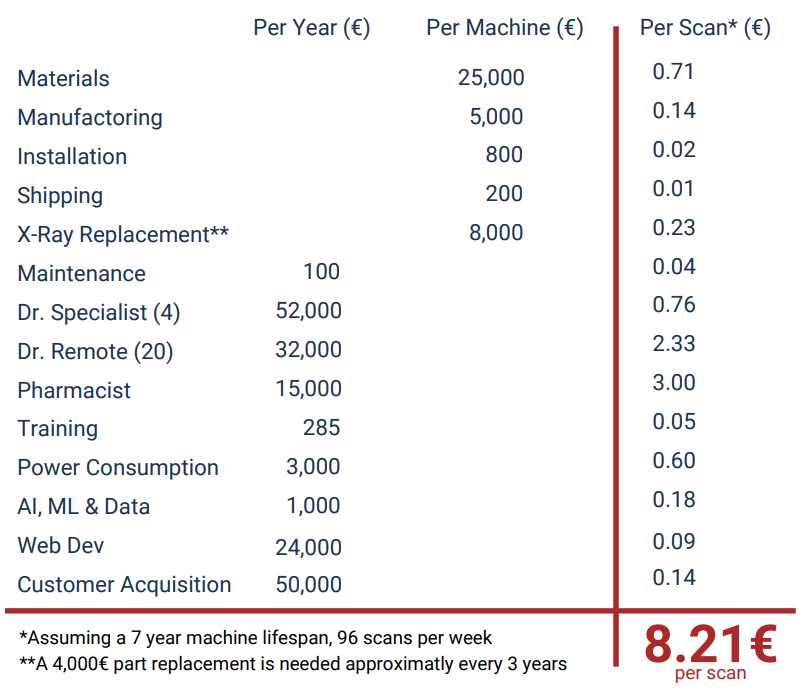
Current Costs - 41.47€
Future Costs - 8.21€
Yearly Savings - >7.3 € Million
€31k - Cost of the Visionary Health Scanner(materials, manufacturing, installation & shipping)
€1 - 2.5M - Cost of A CT Scanner (400+ Slice)
0.9% of Serbia's GDP saved by 2045
Feedback
Outomes
The Project
The project covered a wide range of topics, including scalability, future thinking, social economics, ethnic and international affairs in the Western Balkans, medical user journey and the intricacies of research and development in scientific and engineering fields.
The chance to learn from experts in these areas, as well as the opportunity to collaborate with real people from different countries and professions, made the project a truly enriching experience.
The Service
Because of this project we'll also be partaking the Map the System Challenge so we can practice even more the learnings from this great CBI project.

Documentation & visualisation of information

Interviews & meetings









Creation of website

Interaction with app prototype

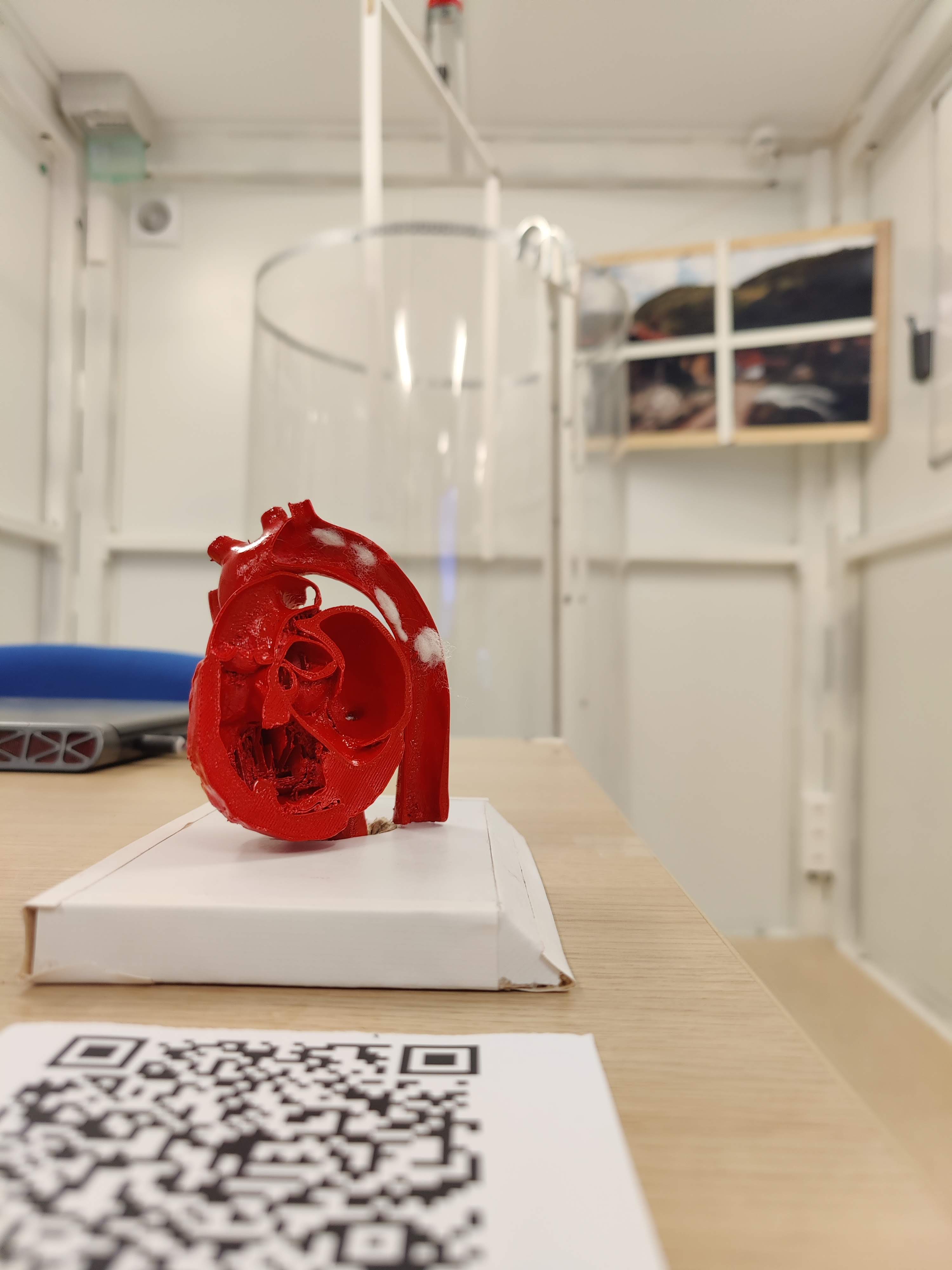
3D Modeling

App Template for prototype

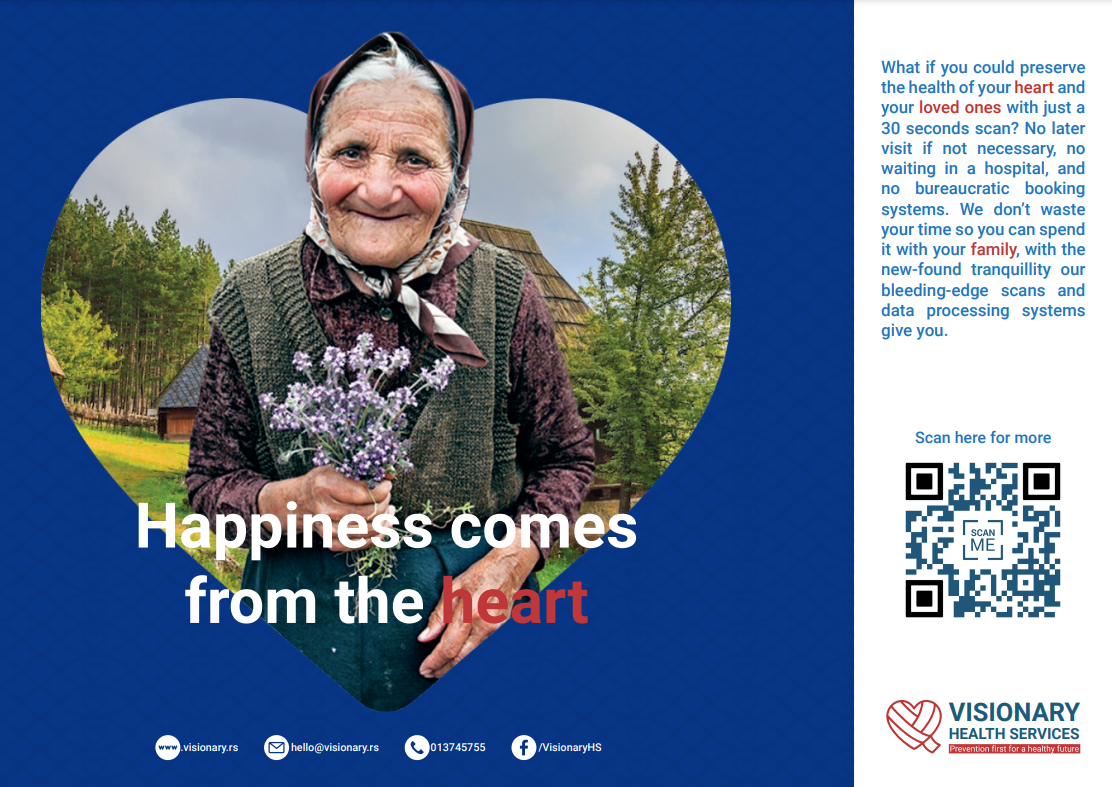
For awareness

Submitted for grading